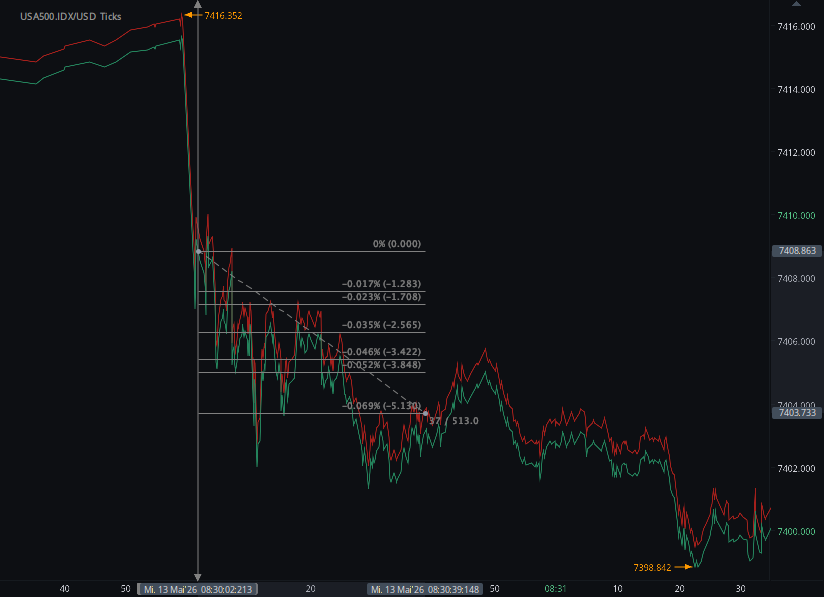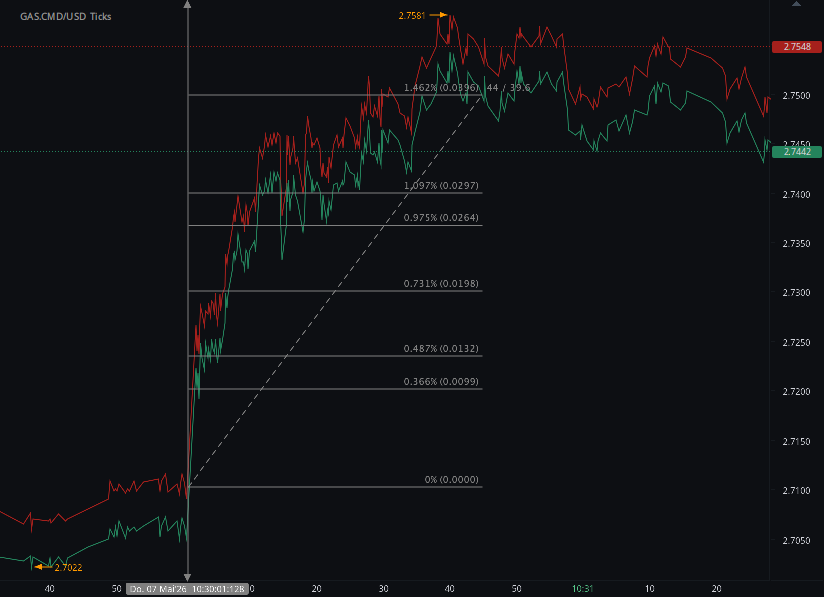

Viewing entries in
Forex News Trading

Comment

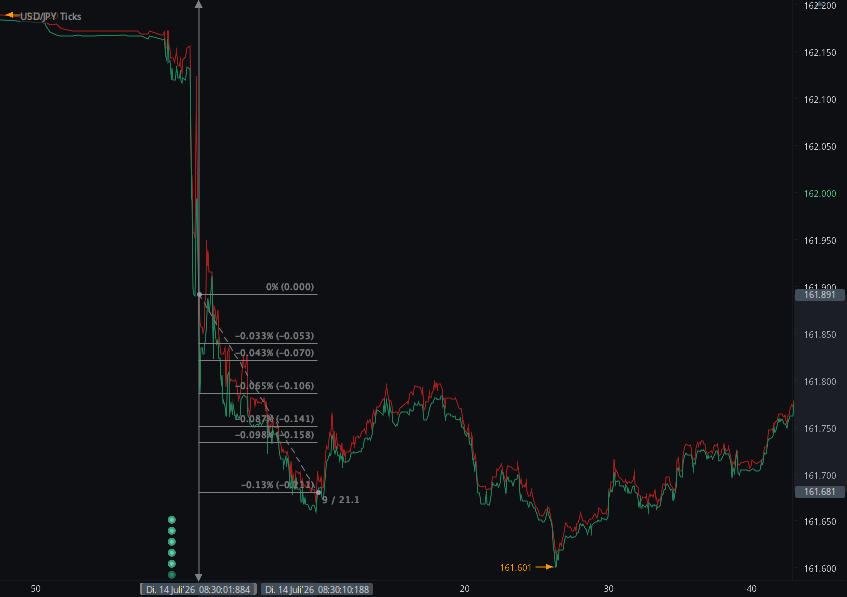
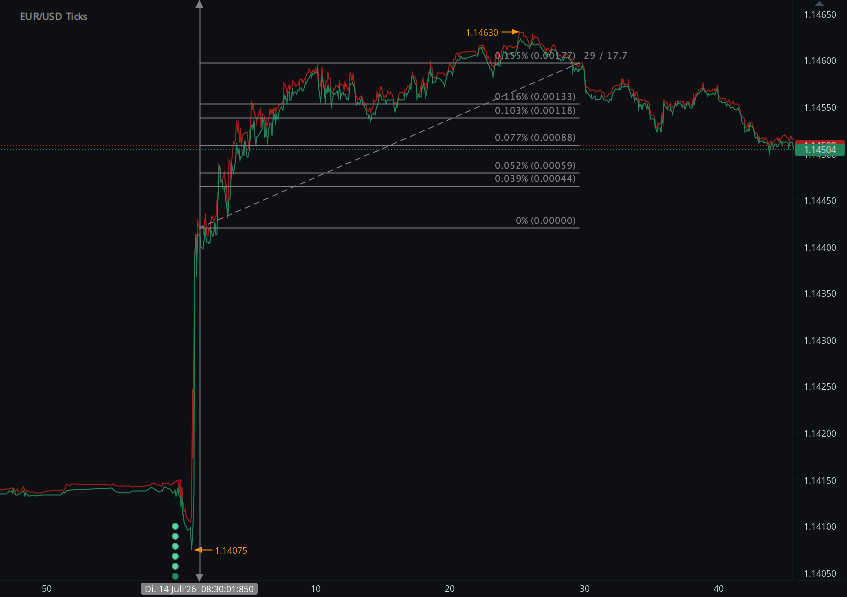
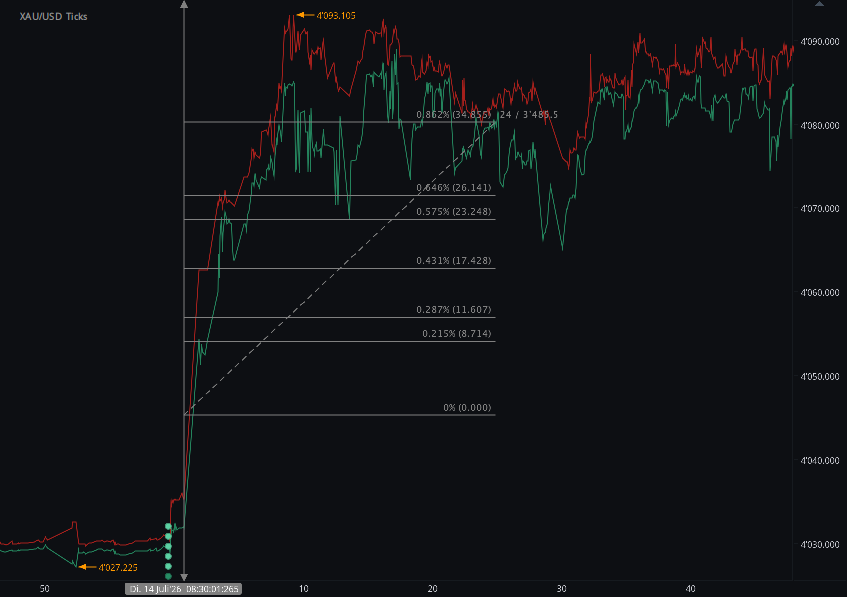
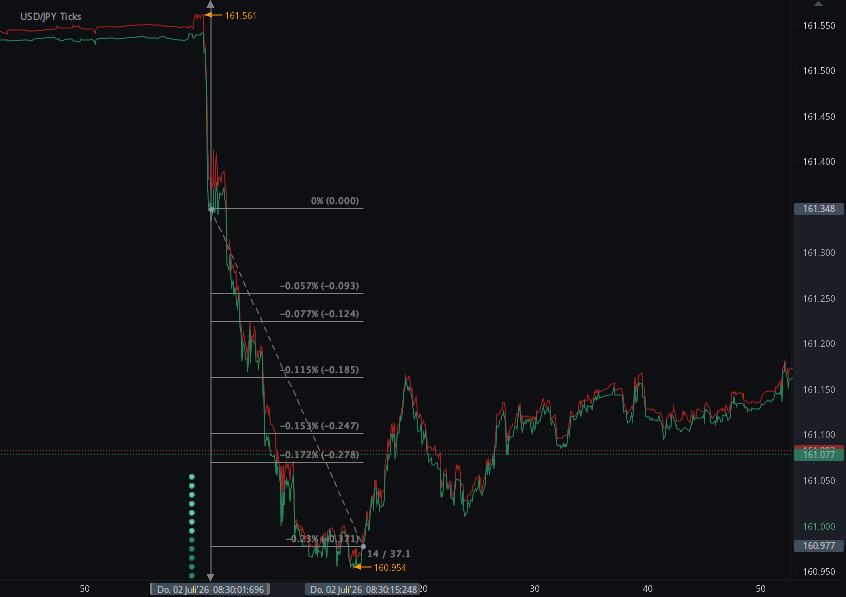
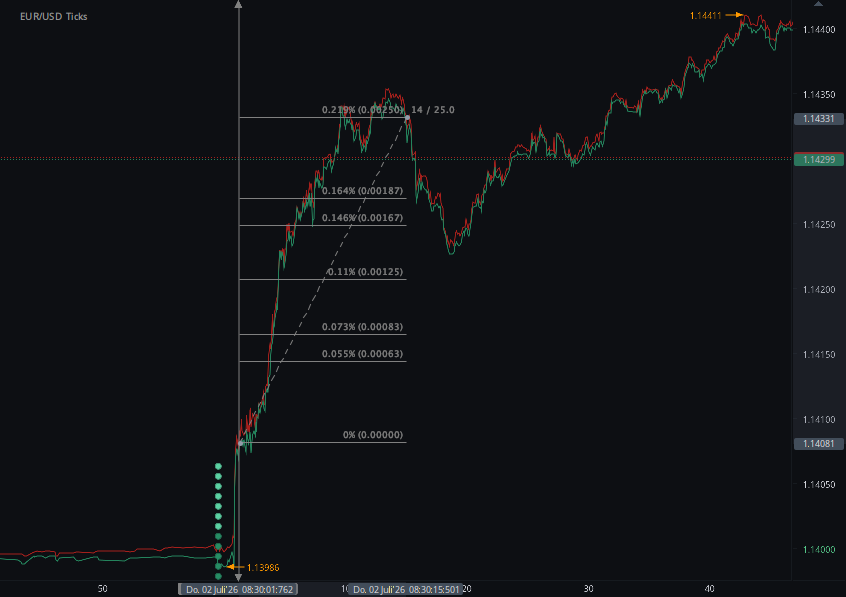
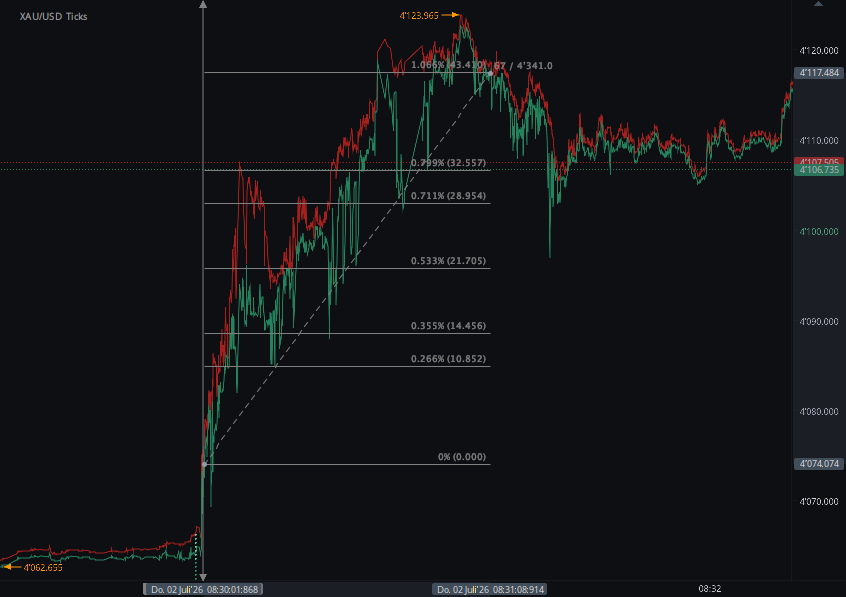
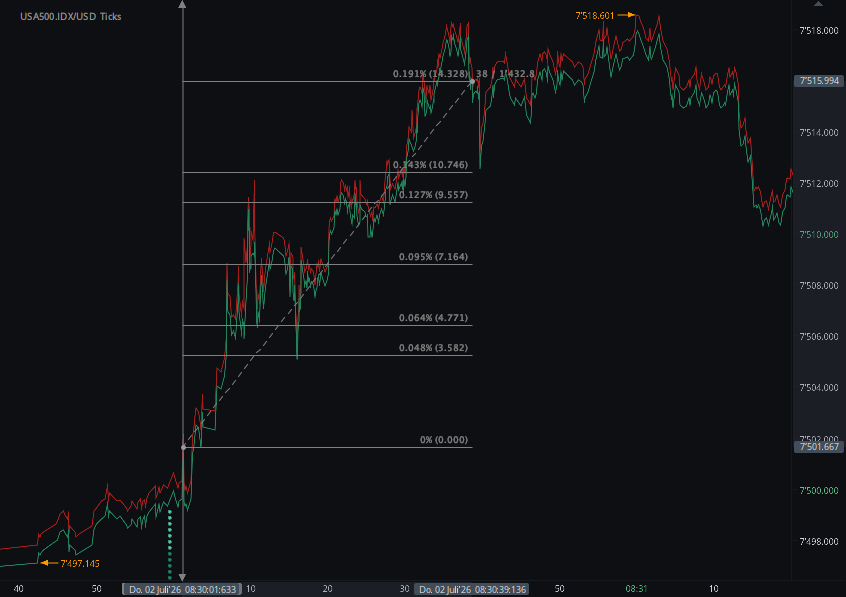
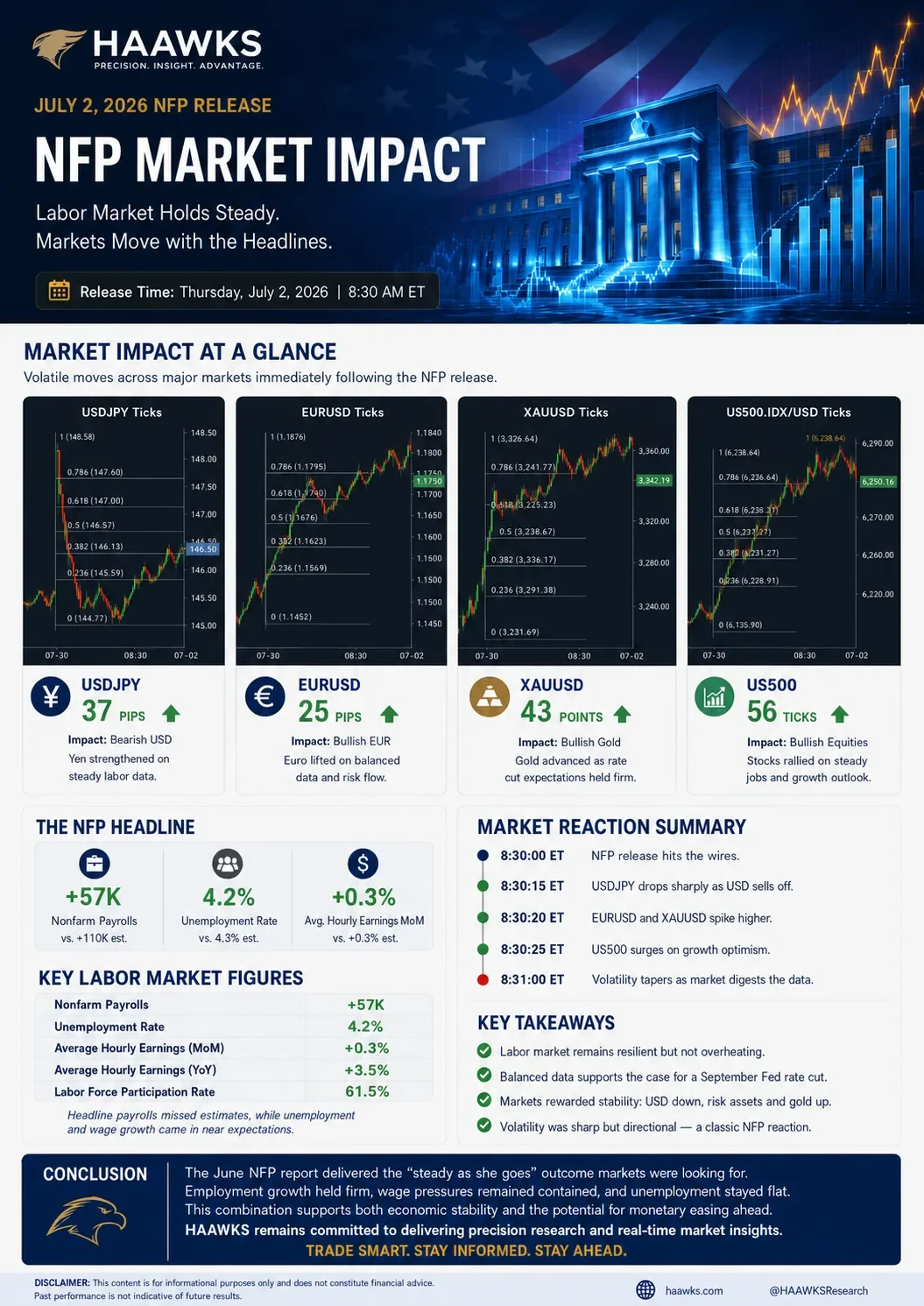
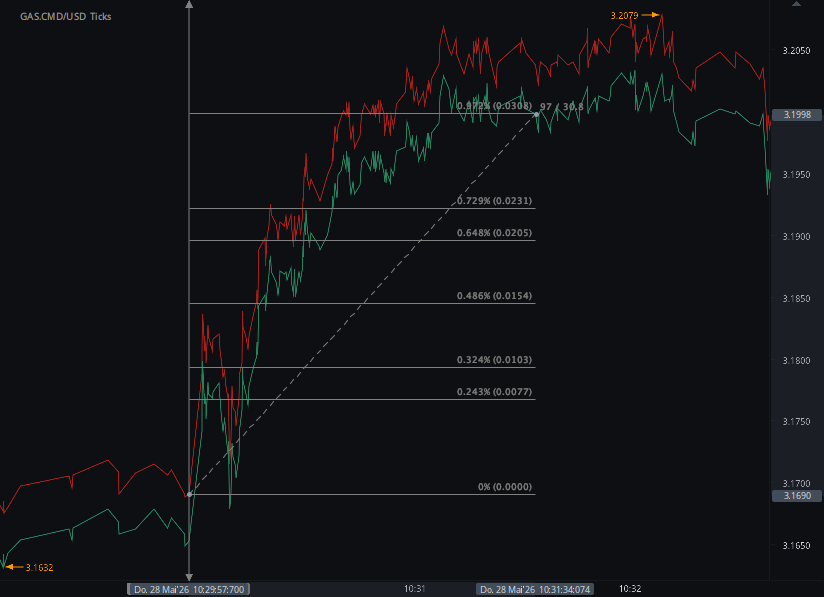
45 pips potential profit in 48 seconds on 10 December 2025, analysis on futures forex fx low latency news trading USDJPY and EURUSD on FOMC Interest Rate Decision data

According to our analysis USDJPY and EURUSD moved 45 pips on FOMC Interest Rate Decision and Projections data on 10 December 2025.

1816 pips potential performance in 2025 (2024: 4,305)

USDJPY (26 pips)

EURUSD (19 pips)

Charts are exported from JForex (Dukascopy).


The Fed Just Cut Rates: What the December 2025 Decision Really Means

On December 10, 2025, the Federal Reserve did something markets had been debating for months: it cut interest rates again.

The Federal Open Market Committee (FOMC) lowered the target range for the federal funds rate by 0.25 percentage point, to 3.50–3.75%, and released a fresh set of economic projections that stretch out to 2028. Alongside that, they gave us a pretty clear message:

Growth looks okay, inflation is still a bit too high, the labor market is softening, and the risks around the outlook are uncomfortably elevated.

Let’s unpack what was just announced, what the Fed is signaling about the future, and why the internal disagreements on the Committee really matter this time.

1. The Big Move: A 25bp Cut with Rising Concerns

The FOMC statement paints an economy that’s still growing, but more fragile:

  • “Economic activity has been expanding at a moderate pace.”

  • Job gains have slowed, and unemployment has edged up through September.

  • Inflation has moved up since earlier in the year and “remains somewhat elevated.”

Despite that uptick in inflation, the Fed chose to ease policy:

“The Committee decided to lower the target range for the federal funds rate by 1/4 percentage point to 3-1/2 to 3-3/4 percent.”

Why cut when inflation is higher than earlier in the year?
Because the Fed is increasingly worried about the downside risks to employment. The statement explicitly notes that downside risks to employment have risen in recent months, and that’s a big shift in emphasis. The Fed’s dual mandate (maximum employment and price stability) is now facing pressure from both sides at once.

2. The New Forecasts: Slightly Stronger Growth, Gradual Disinflation

The Summary of Economic Projections (SEP) lays out the Fed participants’ median forecasts for the economy from 2025–2028.

Real GDP Growth (Q4/Q4)

Median forecast:

  • 2025: 1.7%

  • 2026: 2.3%

  • 2027: 2.0%

  • 2028: 1.9%

  • Longer run: 1.8%

Compared with the September projections, growth is now expected to be a touch stronger in 2026 and 2027. The story: a soft-ish landing narrative is still alive—modest growth now, slightly firmer growth later, then easing back to the long-run trend.

Unemployment Rate (Q4 average)

Median forecast:

  • 2025: 4.5%

  • 2026: 4.4%

  • 2027: 4.2%

  • 2028: 4.2%

  • Longer run: 4.2%

Unemployment is projected to stay above the pre-pandemic lows and settle around what the Fed views as its longer-run normal. Compared to September, changes are small, but the message is that the labor market is no longer “red hot”—it’s moving closer to equilibrium, but with heightened risk it could weaken more than desired.

Inflation: PCE and Core PCE

Headline PCE inflation (Q4/Q4):

  • 2025: 2.9%

  • 2026: 2.4%

  • 2027: 2.1%

  • 2028: 2.0%

  • Longer run: 2.0%

Core PCE (excluding food & energy):

  • 2025: 3.0%

  • 2026: 2.5%

  • 2027: 2.1%

  • 2028: 2.0%

The Fed still expects a gradual glide path back to 2%, but:

  • Inflation in 2025 is now seen just a bit lower than September for headline (2.9% vs 3.0) and core (3.0% vs 3.1),

  • The journey back to 2% is long and uncertain, with inflation staying above target through 2026.

Put simply:

The Fed thinks inflation is heading in the right direction, but not fast enough to declare victory.

3. The Rate Path: Lower Now, but Still “Higher-for-Longer” Compared to Pre-2020

The “dot plot” (Figure 2 and the memo line in Table 1) shows where participants think the federal funds rate will be at year-end.

Median projected fed funds rate:

  • 2025: 3.6%

  • 2026: 3.4%

  • 2027: 3.1%

  • 2028: 3.1%

  • Longer run: 3.0%

Key takeaways:

  • The 2025 median is unchanged from September at 3.6%, even though the Fed has just cut to 3.5–3.75%. That implies only limited additional easing is currently envisioned for 2025.

  • Beyond 2025, rates are expected to drift lower but not plunge.

  • The longer-run neutral rate is still around 3.0%—a world where “normal” interest rates are structurally higher than the near-zero era of the 2010s.

So this is not a pivot back to ultra-easy money; it’s more like:

“We’re easing off the brakes, not slamming on the gas.”

4. Internal Divisions: The First Cut with Real Dissent

This meeting featured three dissents, underscoring real disagreement about what’s appropriate right now:

  • Stephen I. Miran voted for a bigger cut, preferring a 1/2 percentage point reduction.

  • Austan D. Goolsbee and Jeffrey R. Schmid voted against the cut, preferring no change in the target range this meeting.

So within the Committee you can see three camps:

  1. Easers (Miran & likely some others quietly sympathetic): worried enough about growth and employment that they want faster easing.

  2. “Mainstream” majority: sees a 25bp cut as the right compromise between still-elevated inflation and rising downside risks to jobs.

  3. Hawks (Goolsbee, Schmid and possibly others): focused more on stubborn inflation and concerned that easing too soon could reignite price pressures.

When you see this kind of three-way split, it usually means the data are sending mixed signals and the margin for error looks uncomfortably small.

5. Balance Sheet & Reserves: Quiet but Important

One line in the statement may fly under the radar but matters for markets:

“The Committee judges that reserve balances have declined to ample levels and will initiate purchases of shorter-term Treasury securities as needed to maintain an ample supply of reserves on an ongoing basis.”

Translation:

  • The Fed thinks the banking system is now at an “ample” level of reserves.

  • To keep it that way, it’s prepared to buy short-term Treasuries as needed to avoid liquidity strains.

This is not a return to crisis-era quantitative easing; it’s more of a technical adjustment to stabilize the plumbing of the financial system. But for money markets and short-term funding, it’s a big signal of a steady, supportive backdrop.

6. Risks & Uncertainty: Elevated Across the Board

The SEP includes detailed information on how uncertain policymakers feel and which way they think risks are tilted.

A few notable patterns:

  • Uncertainty is high for GDP, unemployment, and both measures of inflation.

    • Most participants rate uncertainty as “higher” than the historical average over the last 20 years.

  • Risks to GDP growth are tilted to the downside.

    • More participants see a greater chance that growth comes in weaker rather than stronger.

  • Risks to inflation (both headline and core) are still tilted to the upside.

    • That is, there’s a meaningful probability that inflation proves stickier than forecast.

Put together, the Fed’s message is:

They’re worried about slower growth and higher unemployment, but they still don’t fully trust that inflation is conquered.

That’s why you see a cautious rate cut, not a full-on easing cycle signal.

7. What This All Means Going Forward

Here’s the big-picture read of the December 2025 Fed package:

  1. The Fed is now in a rate-cutting phase, but not a panicked one.

    • A 25bp cut with a still-elevated rate path is consistent with a fine-tuning approach.

  2. Growth is expected to remain positive, not collapse.

    • Median GDP growth picks up somewhat in 2026, suggesting the Fed is trying to engineer a soft landing, not bracing for a deep recession.

  3. Labor markets are cooling, and that’s making the Fed nervous.

    • The explicit mention that downside risks to employment have risen is notable and politically important under their dual mandate.

  4. Inflation is still above target for a while.

    • The Fed isn’t ready to declare a clean victory on inflation, which limits how aggressive they’re willing to be on cuts.

  5. Dissent shows real tension in the Committee.

    • One member wants faster easing, two wanted no easing at all. Future meetings could be lively, especially if incoming data swing unexpectedly.

8. How to Think About This as an Investor, Business, or Household

Without giving specific investment advice, here are some conceptual implications:

  • Borrowing costs may drift lower, but not crash.
    Mortgage and corporate borrowing rates are likely to ease somewhat over time, but the Fed’s longer-run rate around 3% still implies a higher interest rate world than the pre-2020 decade.

  • Growth assets vs. safe assets:
    A gentle rate-cutting path with still-positive growth tends to support risk assets, but the elevated uncertainty and inflation risks mean volatility isn’t going away.

  • Jobs outlook:
    The Fed is very focused on the labor market. If unemployment rises more quickly than forecast, the Fed could cut faster than the current dots imply—but they will be looking over their shoulder at inflation the whole time.

Final Thought

This December 2025 meeting is not a dramatic pivot; it’s a delicate adjustment in an environment where both sides of the Fed’s mandate look fragile.

The Fed is saying:

  • “We’re easing a bit to support the labor market.”

  • “We still think inflation is too high.”

  • “And honestly, we’re not very confident how this all plays out.”

In other words: welcome to the age of cautious cuts and uncomfortable uncertainty.

Disclaimer: This blog post is for informational purposes only and should not be construed as financial advice. Always conduct thorough research and consider seeking advice from a financial professional before making any investment decisions.

Source: https://www.federalreserve.gov/newsevents/pressreleases/monetary20251210a.htm, https://www.federalreserve.gov/monetarypolicy/fomcprojtabl20251210.htm


Start futures forex fx news trading with Haawks G4A low latency machine-readable data, one of the fastest machine-readable news trading feeds for US macro-economic and commodity data.

Please let us know your feedback. If you are interested in timestamps, please send us an email to sales@haawks.com.

Comment

803 pips, US500 34 points and BTC 2275 points potential futures forex fx news trading profit from 18 events in the third quarter of 2025 with Haawks G4A machine-readable news data feed

Comment

803 pips, US500 34 points and BTC 2275 points potential futures forex fx news trading profit from 18 events in the third quarter of 2025 with Haawks G4A machine-readable news data feed

We are pleased to announce that there was a potential of 803 pips/ticks, US500 34 points and BTC 2275 points profit out of the following 18 events in the third quarter of 2025 based on our ex-post analysis. The potential performance for 2024 was 4,305 pips/ticks.

Q3 2025

Cumulative potential, indicative performance Q3 2025 (only pips), please see all releases below.

Total trading time would have been around 25 minutes in 3 months! (preparation time not included)

You can click on each release for detailed information.


Key Market-Moving US Economic Events: July–September 2025 Recap

The past quarter has been packed with high-impact US economic data releases, each sparking notable volatility across forex, equities, commodities, and even crypto markets. From Non-Farm Payrolls (NFP) to inflation data, here’s a breakdown of how the major reports moved the markets between July and September 2025.

July 2025: A Strong Start With Jobs and Inflation

  • US Employment Situation (NFP) – 3 July
    The July 3rd NFP release triggered a 61-pip move in FX markets, setting the tone for the month. Traders watched closely for labor market signals amid Fed policy uncertainty.

  • US Jobless Claims – 10 July
    A lighter reaction with 13 pips of movement, but still relevant for short-term positioning.

  • USDA WASDE Report – 11 July
    Agriculture markets saw significant volatility, with 76 ticks of movement, underscoring the importance of crop outlooks on commodities.

  • US Producer Price Index (PPI) – 16 July
    Inflation pressures were in focus, sparking 16 pips in FX and a 3-point shift in US500 futures.

  • US Jobless Claims – 24 July
    Another labor snapshot, this time moving markets by 19 pips.

  • US GDP – 30 July
    Growth data delivered moderate volatility with 11 pips in FX and 95 points in BTC, highlighting crypto’s sensitivity to macroeconomic headlines.

August 2025: Inflation Surprises and Strong NFP

  • US Employment Situation (NFP) – 1 August
    A blockbuster jobs report moved markets aggressively: 157 pips in FX and 158 points in BTC.

  • DOE Natural Gas Storage – 7 August
    Natural gas traders reacted with 19 ticks of volatility, typical for this energy report.

  • US CPI – 12 August
    Inflation data hit hard, shaking multiple markets: 59 pips in FX, 17 points in US500, and 461 points in BTC.

  • USDA WASDE – 12 August
    On the same day, agriculture markets swung 96 ticks, making it a highly volatile session across asset classes.

  • US PPI – 14 August
    Another inflation measure sent waves through FX and crypto: 42 pips and 437 points in BTC.

  • US GDP – 28 August
    The growth snapshot added 15 pips of volatility—less dramatic but still watched closely.

September 2025: Jobs, JOLTS, and Inflation Drive Swings

  • US JOLTS Report – 3 September
    Labor demand data pushed markets by 22 pips and 144 points in BTC.

  • US NFP – 5 September
    The jobs report once again stood out, causing 68 pips in FX and 306 points in BTC.

  • US PPI – 10 September
    An outsized reaction this time: 14 pips in FX but a massive 674-point swing in BTC.

  • US CPI & Jobless Claims – 11 September
    A dual release that shook risk assets: 64 pips in FX, 14 points in US500, with crypto also under pressure.

  • US Jobless Claims – 18 September
    A mid-month update triggered 16 pips of movement.

  • US Jobless Claims – 25 September
    The final September claims report surprised with a stronger reaction, moving 35 pips.

Takeaways: Macro Data Is Driving Cross-Asset Volatility

  1. NFP and CPI remain the top-tier movers. Both repeatedly generated triple-digit moves in crypto and sizable swings in FX.

  2. Crypto is hyper-sensitive to macro. BTC reacted sharply to GDP, CPI, and especially PPI, showing greater volatility than traditional markets.

  3. Agriculture markets still hinge on WASDE. July and August reports saw 70–90 tick swings, keeping commodity traders on edge.

  4. Jobless claims matter when surprises hit. While often lower-impact, the late-September release caused 35 pips of volatility—showing that context matters.

As Q4 2025 approaches, markets remain highly reactive to US economic data, especially labor market reports and inflation metrics. Traders should prepare for continued volatility as the Federal Reserve balances growth concerns with inflation management.

Disclaimer: This blog post is for informational purposes only and should not be construed as financial advice. Always conduct thorough research and consider seeking advice from a financial professional before making any investment decisions.


Start futures/forex/oil/grains news trading with Haawks G4A low latency machine-readable data today, we offer one of the fastest machine-readable data feeds for US macro-economic and commodity data and macro-economic data from Norway, Sweden, Switzerland Turkey and ECB interest rates and statement.

Please let us know your feedback and check out our G4A low latency data feed.

All data is machine readable and available via API access in Chicago, New York and London. Free trials.

Comment

Comment

35 pips potential profit in 225 seconds on 25 September 2025, analysis on futures forex fx news trading USDJPY and EURUSD on US Jobless Claims data

According to our analysis USDJPY and EURUSD moved 35 pips on US Jobless Claims data on 25 September 2025.

1771 pips potential performance in 2025 (2024: 4,305)

USDJPY (22 pips)

EURUSD (13 points)

Charts are exported from JForex (Dukascopy).


U.S. Jobless Claims Fall to 218,000 as Labor Market Holds Steady

The U.S. labor market showed continued resilience last week, with unemployment insurance claims trending lower and insured unemployment remaining stable, according to the latest report from the Department of Labor.

Key Highlights from the Week Ending September 20, 2025

  • Initial jobless claims (seasonally adjusted) fell to 218,000, down 14,000 from the prior week’s revised level of 232,000.

  • The four-week moving average eased to 237,500, its lowest in over a month.

  • Insured unemployment—a measure of continued claims—stood at 1.93 million for the week ending September 13, virtually unchanged from the prior week.

  • The insured unemployment rate held steady at 1.3%, reflecting a tight labor market.

On an unadjusted basis, actual initial claims totaled 180,611, a decline of 14,822 (–7.6%) from the previous week. Seasonal factors had expected only a modest dip, underscoring stronger-than-expected labor demand.

State-Level Trends

Some states saw notable swings in claims:

  • Increases:

    • New York (+1,482) – layoffs in construction, healthcare, and professional services

    • South Carolina (+1,220) – no comment provided

  • Decreases:

    • Texas (–4,917)

    • Connecticut (–4,540)

    • Michigan (–3,944), driven by fewer manufacturing layoffs

    • Illinois (–1,153)

    • California (–1,139)

The highest insured unemployment rates were recorded in New Jersey (2.4%), California (2.0%), Connecticut (2.0%), and Washington (2.0%).

Federal and Special Program Activity

  • Claims filed by former federal civilian employees rose slightly to 635, while newly discharged veterans filed 420 claims.

  • Continued weeks claimed under all programs for the week ending September 6 totaled 1.79 million, down from 1.83 million the prior week.

  • No state triggered “on” the Extended Benefits program.

What It Means

With initial claims trending lower and insured unemployment stable, the labor market remains resilient despite pockets of weakness in certain industries and states. The steady insured unemployment rate at 1.3% indicates that while layoffs occur, most workers are finding jobs relatively quickly.

Barring major shocks, the labor market appears well-positioned heading into the final quarter of 2025.

Disclaimer: This blog post is for informational purposes only and should not be construed as financial advice. Always conduct thorough research and consider seeking advice from a financial professional before making any investment decisions.

Source: https://www.dol.gov/ui/data.pdf


Please let us know your feedback. If you are interested in timestamps, please send us an email to sales@haawks.com.

Start futures forex fx news trading with Haawks G4A low latency machine-readable data today, one of the fastest news data feeds for US macro-economic and commodity data.

Comment

Comment

16 pips potential profit in 11 seconds on 18 September 2025, analysis on futures forex fx news trading USDJPY and EURUSD on US Jobless Claims data

According to our analysis USDJPY and EURUSD moved 16 pips on US Jobless Claims data on 18 September 2025.

1736 pips potential performance in 2025 (2024: 4,305)

USDJPY (9 pips)

EURUSD (7 points)

Charts are exported from JForex (Dukascopy).


U.S. Jobless Claims Fall Sharply, Signaling Steady Labor Market

The U.S. Department of Labor reported that new unemployment insurance claims fell sharply in the latest week, underscoring resilience in the labor market despite recent fluctuations.

For the week ending September 13, 2025, the number of seasonally adjusted initial claims was 231,000, a decline of 33,000 from the prior week’s revised total of 264,000. This marks the lowest level in several weeks and comes as a positive sign following recent increases.

The four-week moving average, which smooths out weekly volatility, slipped to 240,000, down by 750 from the previous week.

Insured Unemployment Stable at 1.3%

The number of people continuing to receive unemployment benefits—known as insured unemployment—stood at 1.92 million for the week ending September 6, down 7,000 from the previous week. The insured unemployment rate held steady at 1.3%, suggesting relatively stable conditions for workers who remain on benefits.

The four-week moving average of continued claims also eased slightly, falling to 1.93 million.

State-Level Highlights

The latest data showed mixed patterns across states:

  • Largest increases in claims (week ending Sept. 6):

    • Texas (+15,346) — layoffs across multiple industries, including wholesale trade, health care, and manufacturing.

    • Michigan (+3,018) — layoffs in manufacturing.

    • Connecticut (+1,454).

  • Largest decreases in claims:

    • New York (-3,623) — fewer layoffs in transportation, health care, and food services.

    • Tennessee (-2,994).

    • California (-1,702).

States with the highest insured unemployment rates included New Jersey (2.7%), Rhode Island (2.1%), California (2.0%), Massachusetts (2.0%), and Washington (2.0%).

A Look at Unadjusted Claims

On an unadjusted basis, initial claims totaled 194,478, down about 10,000 from the previous week and slightly above the 186,835 recorded a year earlier. Insured unemployment (unadjusted) was 1.75 million, down nearly 51,000 week over week.

What This Means

While claims can be volatile from week to week, the decline in new filings suggests that layoffs remain relatively low compared with historical norms. Continued claims are holding steady, signaling that most displaced workers are still finding jobs without long delays.

The data continue to paint a picture of a labor market that is cooling modestly but remains fundamentally strong. Analysts will be watching in the coming weeks to see if the dip in claims reflects a sustained trend or a temporary correction after the early-September spike.

Disclaimer: This blog post is for informational purposes only and should not be construed as financial advice. Always conduct thorough research and consider seeking advice from a financial professional before making any investment decisions.

Source: https://www.dol.gov/ui/data.pdf


Please let us know your feedback. If you are interested in timestamps, please send us an email to sales@haawks.com.

Start futures forex fx news trading with Haawks G4A low latency machine-readable data today, one of the fastest news data feeds for US macro-economic and commodity data.

Comment

Comment

64 pips and US500 14 points potential profit in 58 seconds on 11 September 2025, analysis on futures forex fx news trading USDJPY, EURUSD and US500 on US CPI and US Jobless Claims data

According to our analysis USDJPY and EURUSD moved 64 pips and US500 moved 14 points on US CPI and US Jobless Claims data on 11 September 2025.

1720 pips potential performance in 2025 (2024: 4,305)

USDJPY (39 pips)

EURUSD (25 points)

US500 (14 points)

Charts are exported from JForex (Dukascopy).


US Economy Watch: Claims Jump to 263K, CPI Re-Accelerates to 2.9% YoY

Date: September 11, 2025 (8:30 a.m. ET releases)
Sources: U.S. Department of Labor (weekly jobless claims) & U.S. Bureau of Labor Statistics (CPI)

1) Labor market: initial claims pop to a 4-year high

  • Initial jobless claims (SA): 263,000 for the week ending Sept. 6, up 27,000 from the prior week’s revised 236,000.

    • This is the highest level since Oct. 23, 2021 (268,000).

  • 4-week moving average: 240,500 (+9,750), signaling a clear uptrend beyond weekly noise.

  • Continuing claims (SA): 1.939 million for the week ending Aug. 30, unchanged; insured unemployment rate steady at 1.3%.

Unadjusted detail (signals beneath the seasonal factors):

  • Initial claims (NSA): 204,581, up 7,869 week over week. Seasonal factors had expected a decrease, so the upside surprised.

  • Continuing claims (NSA): 1,814,469, down 77,729 from the prior week.

State color:

  • Biggest weekly increases in initial claims (NSA) for the week ending Aug. 30: Tennessee (+2,870; manufacturing layoffs), Connecticut (+2,270), New York (+1,683; transportation/warehousing, construction, arts & recreation), Illinois (+1,331; manufacturing, wholesale, retail, construction).

  • Biggest decline: Kentucky (-2,833; manufacturing layoffs).

  • Highest insured unemployment rates (week ending Aug. 23): New Jersey (2.8%), Rhode Island (2.5%), Massachusetts (2.2%), Washington (2.1%); California, Connecticut, Minnesota, Puerto Rico (2.0%).

How to read it:
The spike to 263K breaks the prior 220–240K range and lifts the trend (4-week avg 240.5K). Continuing claims are flat, so we’re not yet seeing broad, persistent job loss, but leading indicators are flashing cooling momentum.

2) Inflation: August CPI firmed, led by shelter and energy

  • Headline CPI (SA): +0.4% m/m in August (vs. +0.2% in July).
    Year-over-year: +2.9%, up from 2.7%.

  • Core CPI (ex-food & energy): +0.3% m/m (same as July); +3.1% YoY.

  • Key drivers (m/m):

    • Shelter: +0.4% (largest contributor).

    • Food: +0.5%; food at home +0.6% (broad-based, with fruits & vegetables +1.6%; beef +2.7%).

    • Energy: +0.7% with gasoline +1.9%.

    • Mixed core components: airline fares +5.9%, used vehicles +1.0%, new vehicles +0.3%; medical care -0.2%.

12-month lens:

  • Headline: 2.9%; Core: 3.1%.

  • Food: +3.2% YoY; Energy: +0.2% YoY with a split—gasoline -6.6% vs. electricity +6.2% and natural gas +13.8%.

  • Shelter: +3.6% YoY (still sticky).

What it means:
Inflation progress stalled modestly in August: headline ticked up and core stayed firm at 0.3% m/m. The stickiness in shelter plus rebounds in travel/vehicles kept disinflation from accelerating.

3) The combined picture: cooling jobs momentum + sticky core

  • A higher claims print alongside firmer CPI complicates the near-term policy read: labor is loosening at the margin, but price pressures—particularly in shelter and select services—remain not-quite-tame.

  • Markets and policymakers will watch whether claims stay above ~250K and whether core CPI can downshift below 0.2–0.25% m/m in coming months.

4) Fast facts & charts (text version)

  • Initial claims: 263K (highest since Oct. 2021)

  • 4-wk avg: 240.5K

  • Continuing claims (SA): 1.939M; IUR: 1.3%

  • CPI (Aug): +0.4% m/m, 2.9% YoY

  • Core CPI: +0.3% m/m, 3.1% YoY

  • Big movers: Shelter +0.4% m/m; Food at home +0.6%; Gasoline +1.9%; Airline fares +5.9%

  • State hotspot: TN manufacturing layoffs; CT, NY, IL saw sizable increases in new claims

5) What to watch next

  • Next CPI: Oct. 15, 2025 (Wed), 8:30 a.m. ET (September data)

  • Weekly claims: Every Thursday, 8:30 a.m. ET—watch for confirmation of the step-up above 250K.

  • Shelter measures: Any moderation here would meaningfully aid core disinflation.

Disclaimer: This blog post is for informational purposes only and should not be construed as financial advice. Always conduct thorough research and consider seeking advice from a financial professional before making any investment decisions.

Source: https://www.dol.gov/ui/data.pdf, https://www.bls.gov/news.release/cpi.nr0.htm


Please let us know your feedback. If you are interested in timestamps, please send us an email to sales@haawks.com.

Start futures forex fx news trading with Haawks G4A low latency machine-readable data today, one of the fastest news data feeds for US macro-economic and commodity data.

Comment

Comment

14 pips, BTC 674 points potential profit in 23 seconds on 10 September 2025, analysis on futures forex fx low latency news trading USDJPY, EURUSD and BTC on US BLS Producer Price Index (PPI) data

According to our analysis USDJPY and EURUSD moved 14 pips and BTC moved 674 points on US BLS Producer Price Index (PPI) data on 10 September 2025.

1656 pips potential performance in 2025 (2024: 4,305)

USDJPY (10 pips)

EURUSD (4 pips)

BTC (674 points)

Charts are exported from JForex (Dukascopy).


U.S. Producer Prices Slip in August; Core PPI (Ex-Food & Energy) Down 0.1%

The Bureau of Labor Statistics reported that headline PPI for final demand fell 0.1% in August 2025. Over the past year, producer prices are up 2.6%.

Key takeaways

  • Core PPI (ex food & energy) fell 0.1% m/m and is up 2.8% y/y.

  • Final demand services declined 0.2% m/m, led by a 1.7% drop in trade service margins (wholesalers/retailers).

  • Final demand goods edged +0.1% m/m: core goods rose +0.3%, foods +0.1%, while energy -0.4%.

  • Within services, margins for machinery & vehicle wholesaling -3.9%, while portfolio management +2.0% and freight +0.9% rose.

  • Intermediate stages were mixed: processed goods +0.4%, unprocessed goods -1.1%, and services +0.3%.

What’s moving underneath

  • Goods firmness came from tobacco (+2.3%), beef, processed poultry, electronics components, and electric power.

  • Offsets included utility natural gas (-1.8%), vegetables, eggs, and copper scrap.

  • On the pipeline side, stage 4 intermediate demand +0.5% (11th straight rise), while stage 2 -0.2%.

Why this matters

A negative core print (ex food & energy) at -0.1% m/m suggests some cooling in underlying producer-level inflation even as select core goods remain sticky. Combined with softer services margins, August points to easing pipeline pressures, though the y/y pace remains above pre-pandemic norms.

Next up: September PPI arrives October 16, 2025.

Disclaimer: This blog post is for informational purposes only and should not be construed as financial advice. Always conduct thorough research and consider seeking advice from a financial professional before making any investment decisions.

Source: https://www.bls.gov/news.release/ppi.nr0.htm


Start futures forex fx news trading with Haawks G4A low latency machine-readable data, one of the fastest machine-readable news trading feed for US economic and commodity data.

Please let us know your feedback. If you are interested in timestamps, please send us an email to sales@haawks.com.

Comment

Comment

68 pips and BTC 306 points potential profit in 17 seconds on 5 September 2025, analysis on forex fx futures news trading USDJPY, EURUSD and BTC on US Employment Situation (NFP)

According to our analysis USDJPY and EURUSD moved 68 pips and BTC moved 306 points on US Employment Situation (Non-farm payrolls / NFP) data on 5 September 2025.

1642 pips potential performance in 2025 (2024: 4,305)

USDJPY (42 pips)

EURUSD (26 pips)

BTC (306 points)

Charts are exported from JForex (Dukascopy).


U.S. Jobs Report: August 2025 Employment Situation

The U.S. labor market showed little momentum in August 2025, according to the latest report from the Bureau of Labor Statistics (BLS). Nonfarm payroll employment edged up by just 22,000 jobs, while the unemployment rate held steady at 4.3%. Since April, overall job growth has been subdued, with gains in health care tempered by losses in government and energy-related industries.

Key Highlights from the Household Survey

  • Unemployment rate: 4.3%, essentially unchanged for the month.

  • Number of unemployed people: 7.4 million.

  • Long-term unemployment: 1.9 million, accounting for 25.7% of all unemployed, and up 385,000 over the past year.

  • Labor force participation: 62.3%, down 0.4 percentage point over the year.

  • Employment-population ratio: 59.6%, unchanged from July but also down over the year.

  • Part-time for economic reasons: 4.7 million, little changed in August.

  • Not in the labor force but want a job: 6.4 million, up 722,000 compared to last year.

Unemployment rates across major demographic groups—adult men (4.1%), adult women (3.8%), teenagers (13.9%), Whites (3.7%), Blacks (7.5%), Asians (3.6%), and Hispanics (5.3%)—showed little or no movement.

Key Highlights from the Establishment Survey

  • Total payroll employment: +22,000 jobs in August.

  • Health care: +31,000 jobs, led by gains in ambulatory services, hospitals, and nursing/residential care.

  • Social assistance: +16,000 jobs, mainly in individual and family services.

  • Federal government: -15,000 jobs, continuing a steady decline since January (down 97,000 total).

  • Mining, quarrying, and oil & gas extraction: -6,000 jobs, the sharpest monthly drop in over a year.

  • Wholesale trade: -12,000 jobs, down 32,000 since May.

  • Manufacturing: -12,000 jobs, with a notable -15,000 decline in transportation equipment manufacturing, partly due to strike activity.

Other major sectors—including construction, retail trade, financial activities, leisure and hospitality—showed little change in August.

Wages and Work Hours

  • Average hourly earnings: $36.53, up 10 cents (0.3%) in August. Over the past year, wages increased by 3.7%.

  • Production and nonsupervisory employees: $31.46 per hour, up 12 cents (0.4%).

  • Average workweek: 34.2 hours for all employees, unchanged for the third straight month.

  • Manufacturing workweek: slipped slightly to 40.0 hours, with overtime steady at 2.9 hours.

Revisions to Prior Months

  • June 2025 revised down to -13,000 (from +14,000).

  • July 2025 revised up to +79,000 (from +73,000).

  • Combined revisions: net 21,000 fewer jobs than previously reported.

What’s Next?

The September Employment Situation Report will be released on Friday, October 3, 2025. In addition, the BLS will issue its 2025 preliminary benchmark revision to payroll data on September 9, 2025, aligning survey estimates with unemployment insurance records.

Takeaway

The August report underscores a cooling labor market: job gains remain concentrated in health and social services, while government, manufacturing, and energy sectors shed jobs. Wage growth continues at a moderate pace, but labor force participation remains historically low. With revisions showing weaker summer job growth than initially reported, policymakers and businesses alike may be watching closely for signs of whether this slowdown persists into the fall.

Disclaimer: This blog post is for informational purposes only and should not be construed as financial advice. Always conduct thorough research and consider seeking advice from a financial professional before making any investment decisions.

Source: https://www.bls.gov/news.release/empsit.nr0.htm


Start forex fx futures news trading with Haawks G4A low latency machine-readable data today, one of the fastest news data feeds for US macro-economic and commodity data.

Please let us know your feedback. If you are interested in timestamps, please send us an email to sales@haawks.com.

Comment

Comment

22 pips and BTC 144 points potential profit in 62 seconds on 3 September 2025, analysis on futures forex fx news trading EURUSD, USDJPY and BTC on US BLS Job Openings and Labor Turnover Survey (JOLTS)

According to our analysis USDJPY and EURUSD moved 22 pips and BTC moved 144 points on US BLS Job Openings and Labor Turnover Survey (JOLTS) data on 3 September 2025.

1574 pips potential performance in 2025 (2024: 4,305)

USDJPY (15 pips)

EURUSD (7 pips)

BTC (144 points)

Charts are exported from JForex (Dukascopy).


U.S. Job Openings Hold Steady in July as Hiring and Quits Show Little Movement

The latest Job Openings and Labor Turnover Survey (JOLTS) from the Bureau of Labor Statistics (BLS), released on September 3, 2025, shows a labor market that remains steady through midsummer. Job openings, hiring, and separations in July all showed little change compared with the prior month, suggesting employers and workers are maintaining a cautious but stable pace.

Job Openings: 7.2 Million Positions Available

At the end of July, the number of job openings stood at 7.2 million, representing a 4.3% openings rate. That figure was largely unchanged from June, but sector-level trends showed movement:

  • Health care and social assistance saw the largest decline, with openings down 181,000.

  • Arts, entertainment, and recreation dropped by 62,000.

  • Mining and logging edged down by 13,000.

This cooling in demand contrasts with broader stability across most other industries.

Hiring Activity Remains Flat

Employers hired 5.3 million workers in July, holding the hires rate at 3.3%. The biggest mover was the other services sector, which added 86,000 hires, offsetting weaker activity elsewhere. For most industries, however, hiring levels showed little change.

Separations: A Balanced Picture

Separations—workers leaving jobs due to quits, layoffs, discharges, or other reasons—also stayed steady at 5.3 million (3.3%). Within that:

  • Quits remained at 3.2 million (2.0%), showing workers’ confidence in job switching has leveled off.

    • Quits increased in professional and business services (+197,000).

    • Quits decreased in construction (-80,000) and transportation, warehousing, and utilities (-49,000).

  • Layoffs and discharges held at 1.8 million (1.1%), with notable shifts:

    • Down in professional and business services (-130,000).

    • Up slightly in the federal government (+5,000).

  • Other separations (retirements, deaths, transfers, etc.) fell to 272,000, a drop of 63,000.

Revisions to June Data

The BLS also revised June figures:

  • Job openings were adjusted down by 80,000 to 7.4 million.

  • Hires revised up by 63,000 to 5.3 million.

  • Total separations revised up by 281,000 to 5.3 million.

These adjustments reflect additional employer reports and updated seasonal calculations.

What This Means

The July JOLTS data points to a labor market in equilibrium—not overheating, but not contracting sharply either. Openings remain well above pre-pandemic norms, but hiring and quits suggest both employers and workers are proceeding with caution.

Industries like professional and business services are still dynamic, while sectors such as construction and health care show softening demand. Overall, the numbers underscore a jobs market that is neither surging nor slumping, but settling into a steadier pattern.

The next JOLTS report, covering August 2025, is scheduled for release on September 30, 2025.

Disclaimer: This blog post is for informational purposes only and should not be construed as financial advice. Always conduct thorough research and consider seeking advice from a financial professional before making any investment decisions.

Source: https://www.bls.gov/news.release/jolts.nr0.htm


Start futures #forex fx news #trading with Haawks G4A low latency machine-readable data today, one of the fastest news data feeds for US macro-economic and commodity data.

Please let us know your feedback. If you are interested in timestamps, please send us an email to sales@haawks.com.

Comment

Comment

15 pips potential profit in 36 seconds on 28 August 2025, analysis on futures forex fx low latency news trading USDJPY and EURUSD on US Gross Domestic Product (GDP) data

According to our analysis USDJPY and EURUSD moved 15 pips on US Gross Domestic Product (GDP) data on 28 August 2025.

1552 pips potential performance in 2025 (2025: 4,305)

USDJPY (12 pips)

EURUSD (3 pips)

Charts are exported from JForex (Dukascopy).


U.S. Economy Rebounds in Q2 2025: GDP Grows 3.3%

The U.S. economy showed strong momentum in the second quarter of 2025, according to the Bureau of Economic Analysis (BEA). After contracting slightly in the first quarter, real gross domestic product (GDP) grew at an annual rate of 3.3% from April through June. This second estimate is stronger than the initial reading of 3.0%, reflecting upward revisions in investment and consumer spending.

What’s Driving Growth?

The rebound in GDP was fueled by:

  • Fewer imports – A decline in imports, which are subtracted in GDP calculations, gave the headline number a lift.

  • Stronger consumer spending – Household demand accelerated, particularly in health care, pharmaceuticals, food services, and accommodations.

  • Investment gains – Upward revisions in intellectual property (software and R&D), equipment (led by light trucks), and structures (notably commercial and health care) all contributed.

These positive shifts were partly offset by weaker government spending and higher imports of certain goods, such as industrial supplies and capital goods.

Key Economic Indicators from Q2 2025

  • Real GDP: +3.3% (up from -0.5% in Q1)

  • Current-dollar GDP: +5.3%

  • Real Final Sales to Private Domestic Purchasers: +1.9% (a sharp upward revision from +1.2%)

  • Real Gross Domestic Income (GDI): +4.8% (vs. +0.2% in Q1)

  • Average of GDP and GDI: +4.0%

  • Price Index for Gross Domestic Purchases: +1.8%

  • PCE Price Index: +2.0% (2.5% excluding food and energy)

Corporate Profits Bounce Back

After falling $90.6 billion in the first quarter, corporate profits rose by $65.5 billion in Q2. The turnaround signals improving business conditions alongside consumer strength.

Inflation Check

Inflation pressures remained moderate:

  • The gross domestic purchases price index rose 1.8%.

  • The PCE price index, the Federal Reserve’s preferred gauge, climbed 2.0%.

  • Core PCE (excluding food and energy) rose 2.5%, unchanged from the initial estimate.

Why the Upward Revision?

The BEA revised Q2 growth higher mainly because of:

  • Better-than-expected consumer spending on goods and services.

  • New data showing stronger business investment in software, R&D, light trucks, and construction.

  • Adjustments in trade data, especially petroleum exports and industrial supplies imports.

What’s Next?

The BEA will release its third estimate of Q2 GDP along with updated data on GDP by industry and revised corporate profits on September 25, 2025. This release will also incorporate results from the annual update of the National Economic Accounts, which could shift historical growth patterns.

Bottom Line

After a sluggish start to 2025, the U.S. economy appears to be on a firmer footing. Robust consumer demand, healthier corporate profits, and easing inflation pressures suggest that growth could continue into the second half of the year—though much will depend on investment trends, trade dynamics, and the Federal Reserve’s policy stance.

Disclaimer: This blog post is for informational purposes only and should not be construed as financial advice. Always conduct thorough research and consider seeking advice from a financial professional before making any investment decisions.

Source: https://www.bea.gov/news/2025/gross-domestic-product-2nd-quarter-2025-second-estimate-and-corporate-profits-preliminary


Start futures forex fx news trading with Haawks G4A low latency machine-readable data, one of the fastest machine-readable news trading feeds for macro-economic and commodity data from the US and Europe.

Please let us know your feedback. If you are interested in timestamps, please send us an email to sales@haawks.com.

Comment

Comment

42 pips, BTC 437 points potential profit in 50 seconds on 14 August 2025, analysis on futures forex fx low latency news trading USDJPY, EURUSD and BTC on US BLS Producer Price Index (PPI) data

According to our analysis USDJPY and EURUSD moved 42 pips and BTC moved 437 points on US BLS Producer Price Index (PPI) data on 14 August 2025.

1537 pips potential performance in 2025 (2024: 4,305)

USDJPY (28 pips)

EURUSD (14 pips)

BTC (437 points)

Charts are exported from JForex (Dukascopy).


Key Takeaways: July 2025 PPI

1. Overall Movement

  • Final demand PPI rose 0.9% in July (seasonally adjusted).

  • On a 12-month basis, final demand prices were up 3.3%, the largest increase since February 2025.

2. Goods vs. Services

  • Services: Up 1.1%—major driver of the July increase.

    • Trade services (margins for wholesalers/retailers) jumped 2%.

    • Machinery & equipment wholesaling margins alone accounted for 30% of the rise.

    • Some declines: hospital outpatient care (-0.5%), furniture retailing, pipeline energy transport.

  • Goods: Up 0.7%.

    • Food: +1.4%, with fresh/dry vegetables +38.9%.

    • Energy: +0.9% (gasoline down 1.8%).

3. Core PPI (less food, energy, and trade services)

  • Rose 0.6% in July.

  • On a 12-month basis, up 2.8%—largest rise since March 2022.

Intermediate Demand (inputs for other goods/services)

  • Processed goods: +0.8%, driven by diesel fuel (+11.8%).

  • Unprocessed goods: +1.8%, led by raw milk (+9.1%).

  • Services: +0.8%, driven by financial and postal/courier services.

By Production Stage

  • Stage 1 (raw materials/services entering production): +1.1%

  • Stage 2: +0.5%

  • Stage 3: +1.1%

  • Stage 4 (finished goods/services before sale to final demand): +0.8%

This shows that price pressures are broad-based, affecting raw inputs and final goods/services, with notable jumps in food, energy, and trade/service margins.

Implications

  • Inflation signal: PPI rising at these rates suggests continuing cost pressures that could eventually feed into consumer prices (CPI).

  • Sector insights:

    • Food and energy remain volatile.

    • Trade margins are a major contributor, showing higher costs along distribution chains.

    • Financial services costs are climbing (portfolio management, securities).

Disclaimer: This blog post is for informational purposes only and should not be construed as financial advice. Always conduct thorough research and consider seeking advice from a financial professional before making any investment decisions.

Source: https://www.bls.gov/news.release/ppi.nr0.htm


Start futures forex fx news trading with Haawks G4A low latency machine-readable data, one of the fastest machine-readable news trading feed for US economic and commodity data.

Please let us know your feedback. If you are interested in timestamps, please send us an email to sales@haawks.com.

Comment